Customer relationships are one of the most valuable assets for any business. Companies that build strong relationships with customers often experience higher customer retention, better brand reputation, and increased revenue. In today’s competitive market, Customer Relationship Management (CRM) software has become an essential tool for businesses looking to strengthen communication and improve customer satisfaction.
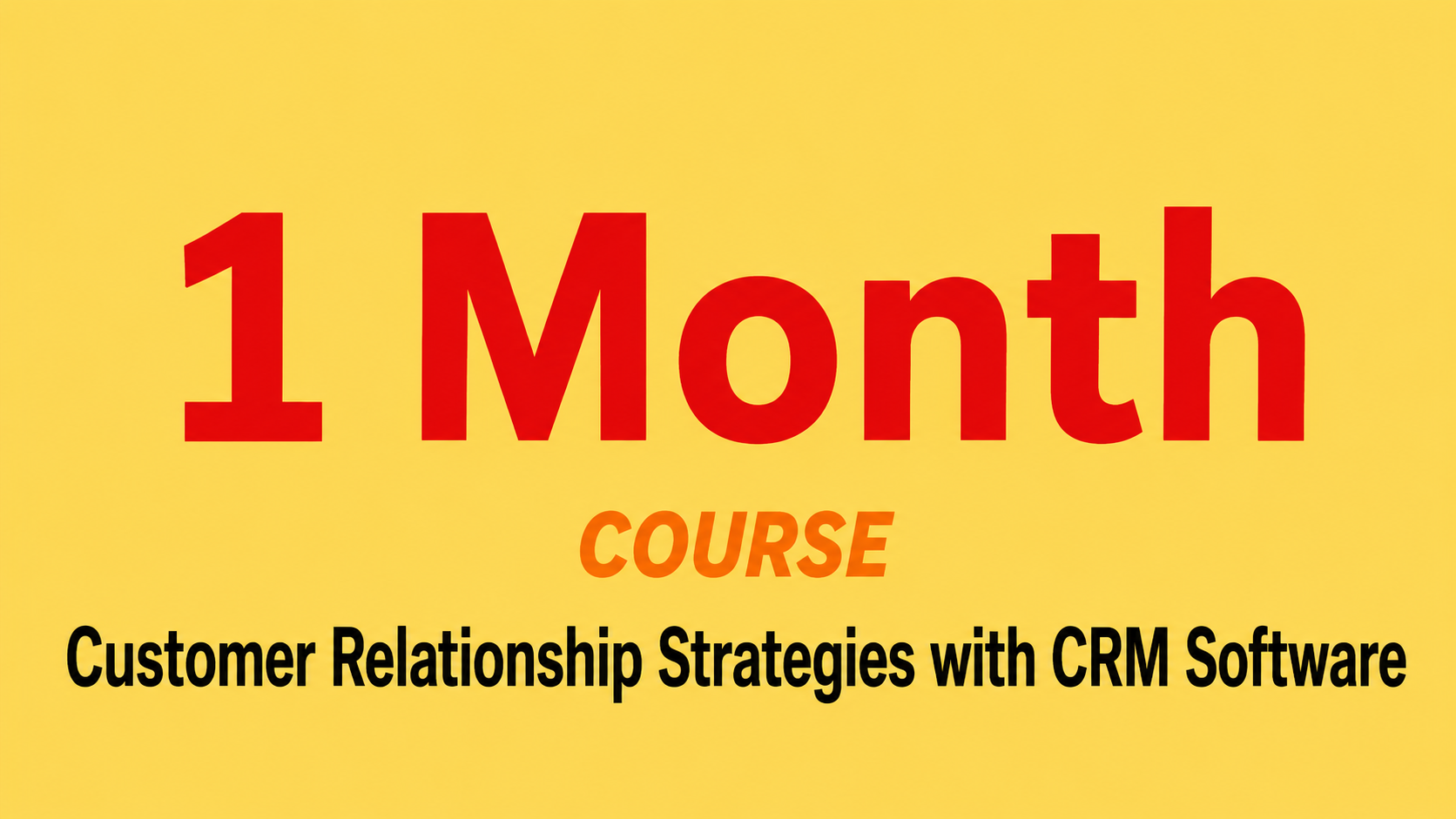
The 1 Month Customer Relationship Strategies with CRM Software approach provides businesses with a structured roadmap for improving customer engagement and creating meaningful relationships within a short period. By using CRM software effectively, organizations can organize customer data, personalize interactions, and enhance overall customer experiences.
Whether you operate a small business, startup, e-commerce company, or large enterprise, CRM solutions can help you understand customer needs and build long-term trust.




Why Customer Relationships Matter
Successful businesses understand that maintaining existing customers is often more cost-effective than acquiring new ones.
Strong customer relationships help companies:
- Increase customer loyalty.
- Improve repeat purchases.
- Enhance brand credibility.
- Generate referrals.
- Strengthen customer satisfaction.
- Create sustainable growth.
Customers who feel valued are more likely to remain loyal and recommend your products or services to others.
Understanding CRM Software
Customer Relationship Management software is designed to help businesses manage customer information, track interactions, and improve communication.
Modern CRM platforms allow companies to:
- Store customer data.
- Monitor communication history.
- Manage sales opportunities.
- Automate workflows.
- Analyze customer behavior.
- Improve customer support.
CRM software acts as a central hub that keeps teams organized and focused on delivering excellent customer experiences.
Week 1: Organizing Customer Information
The first week should focus on collecting and organizing customer data.
Key Activities
- Import customer contacts.
- Segment audiences.
- Update customer records.
- Identify high-value customers.
- Track communication history.
- Create customer profiles.
Proper organization provides a strong foundation for future relationship-building efforts.
Benefits of Customer Data Organization
✔ Better communication.
✔ Improved personalization.
✔ Faster response times.
✔ Higher customer satisfaction.
✔ Efficient team collaboration.
✔ Better decision-making.
Accurate information enables businesses to understand customers more effectively.
Week 2: Improving Customer Communication
Communication plays a major role in building trust and loyalty.
During the second week, businesses should focus on enhancing customer interactions.
Effective Communication Strategies
- Personalized email messages.
- Follow-up reminders.
- Customer feedback requests.
- Birthday and anniversary greetings.
- Exclusive promotions.
- Regular updates and newsletters.
Consistent communication helps strengthen customer relationships and improve engagement.
Benefits of Personalized Interactions
Customers appreciate businesses that understand their preferences and provide tailored experiences.
Advantages of Personalization
⭐ Increased customer loyalty.
⭐ Better engagement.
⭐ Higher conversion rates.
⭐ Improved trust.
⭐ Stronger brand image.
⭐ Increased customer lifetime value.
Personalized communication makes customers feel valued and appreciated.
Week 3: Automating Customer Management Processes
Automation allows businesses to improve efficiency and reduce manual workloads.
Processes That Can Be Automated
- Email campaigns.
- Appointment reminders.
- Follow-up notifications.
- Customer surveys.
- Support ticket management.
- Task scheduling.
Automation helps ensure that customers receive timely communication without delays.
Benefits of Automation
- Saves time.
- Reduces human errors.
- Improves consistency.
- Enhances customer experiences.
- Increases productivity.
- Supports business growth.
Modern CRM software provides powerful automation capabilities that improve operational efficiency.
Week 4: Strengthening Customer Loyalty
The final week should focus on increasing customer satisfaction and encouraging long-term loyalty.
Customer Retention Strategies
- Reward programs.
- Personalized offers.
- VIP customer benefits.
- Exclusive discounts.
- Customer appreciation campaigns.
- Loyalty incentives.
Building long-term relationships often leads to repeat purchases and positive word-of-mouth marketing.
Essential Features Every CRM Software Should Have
Choosing the right CRM platform is important for success.
Important CRM Features
- Contact management.
- Sales tracking.
- Workflow automation.
- Reporting and analytics.
- Email integration.
- Mobile accessibility.
- Customer support tools.
- Team collaboration features.
These features help businesses improve customer experiences and manage relationships more effectively.
Customer Segmentation Improves Engagement
Not every customer has the same needs. Segmenting audiences helps businesses deliver more relevant experiences.
Popular Segmentation Methods
- Age groups.
- Geographic location.
- Purchase history.
- Customer interests.
- Spending behavior.
- Loyalty levels.
Segmentation allows businesses to create targeted campaigns that generate better results.
CRM Software Helps Increase Sales
Customer relationship strategies not only improve loyalty but also contribute to higher revenue.
Sales Benefits of CRM Systems
✔ Better lead management.
✔ Faster response times.
✔ Improved sales forecasting.
✔ Increased conversion rates.
✔ More efficient follow-ups.
✔ Stronger customer relationships.
A well-implemented CRM strategy helps businesses maximize sales opportunities.
Data Analytics Supports Better Decisions
Modern CRM software offers reporting and analytical capabilities that provide valuable business insights.
Important Metrics to Monitor
- Customer retention rates.
- Conversion rates.
- Revenue growth.
- Customer satisfaction levels.
- Average purchase value.
- Marketing performance.
These insights help businesses identify strengths and areas for improvement.
Artificial Intelligence Is Transforming CRM
Artificial intelligence is making CRM software smarter and more efficient.
AI Applications in CRM Platforms
- Predictive analytics.
- Chatbots.
- Smart recommendations.
- Customer behavior analysis.
- Automated responses.
- Lead scoring systems.
AI technologies help businesses deliver more personalized and effective customer experiences.
Common Challenges Businesses Face
Although CRM software provides many benefits, companies may encounter obstacles during implementation.
Typical Challenges
- Incomplete customer data.
- Employee resistance.
- Poor training.
- Lack of strategy.
- Integration issues.
- Insufficient monitoring.
Understanding these challenges helps organizations prepare effective solutions.
Best Practices for CRM Success
Businesses that achieve the best results often follow proven strategies.
Recommended Practices
★ Keep customer records updated.
★ Train employees regularly.
★ Monitor key performance indicators.
★ Use automation wisely.
★ Focus on customer satisfaction.
★ Encourage teamwork.
★ Analyze reports frequently.
★ Continuously improve processes.
These practices help maximize the value of CRM investments.
Future Trends in Customer Relationship Management
CRM technology continues evolving with new innovations.
Emerging Trends
- Artificial intelligence.
- Predictive analytics.
- Cloud-based CRM systems.
- Mobile CRM applications.
- Conversational chatbots.
- Advanced personalization.
- Real-time customer insights.
- Omnichannel communication.
Businesses adopting these trends are likely to remain competitive in the future.
Why Small Businesses Need CRM Software
Many small businesses assume CRM systems are only suitable for large organizations. However, CRM solutions provide significant benefits regardless of company size.
Advantages for Small Businesses
⭐ Better organization.
⭐ Improved customer communication.
⭐ Increased efficiency.
⭐ Higher customer retention.
⭐ Stronger sales performance.
⭐ Greater growth opportunities.
CRM software helps small businesses compete effectively while maintaining strong customer relationships.
Expert Insights on Customer Relationship Strategies
Business experts consistently emphasize that customer experience plays a major role in long-term success. Companies that invest in understanding customer needs and delivering personalized experiences often outperform competitors.
The 1 Month Customer Relationship Strategies with CRM Software framework offers a practical and efficient way to strengthen customer relationships while improving overall business performance.
Why Customer Trust Is the Foundation of Growth
Trust is one of the most important factors in business success.
Businesses that prioritize trust often enjoy:
- Higher customer retention.
- Better online reviews.
- Increased referrals.
- Stronger brand reputation.
- Greater customer satisfaction.
- Sustainable growth.
Building trust takes time, but CRM software helps businesses maintain consistent and meaningful interactions.
Conclusion
1 Month Customer Relationship Strategies with CRM Software provide businesses with a structured approach to improving customer engagement, communication, and loyalty. By organizing customer information, personalizing interactions, automating processes, and focusing on retention, organizations can create stronger relationships and drive long-term success.
As technology continues to evolve, CRM software will remain an essential tool for businesses seeking to deliver exceptional customer experiences and maintain sustainable growth.