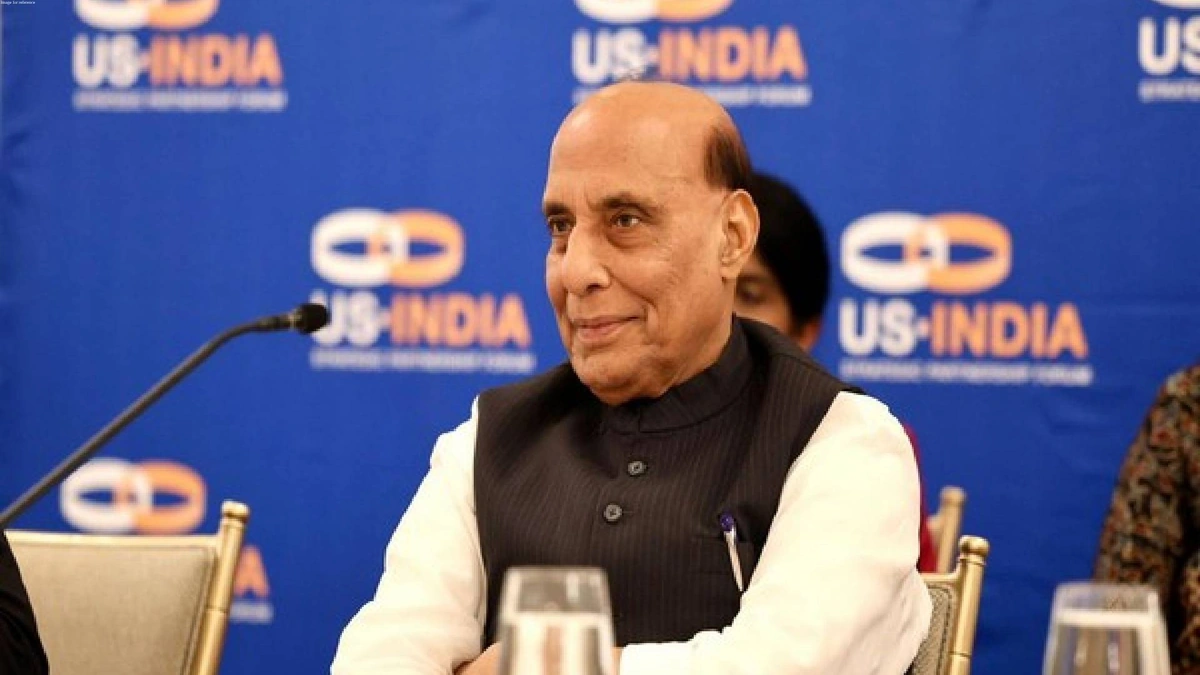
Defence Minister Rajnath Singh . The name probably rings a bell – you’ve seen it in headlines, news snippets, maybe even a meme or two. But here’s the thing: what’s really going on? Beyond the press releases and official statements, what are the undercurrents, the unspoken strategies, and the real impact of his decisions?
Let’s be honest, most news just scratches the surface. It tells you what happened, but rarely why it happened, or more importantly, what it all means for India. So, let’s dive deeper.
The “Why” | Singh’s Balancing Act
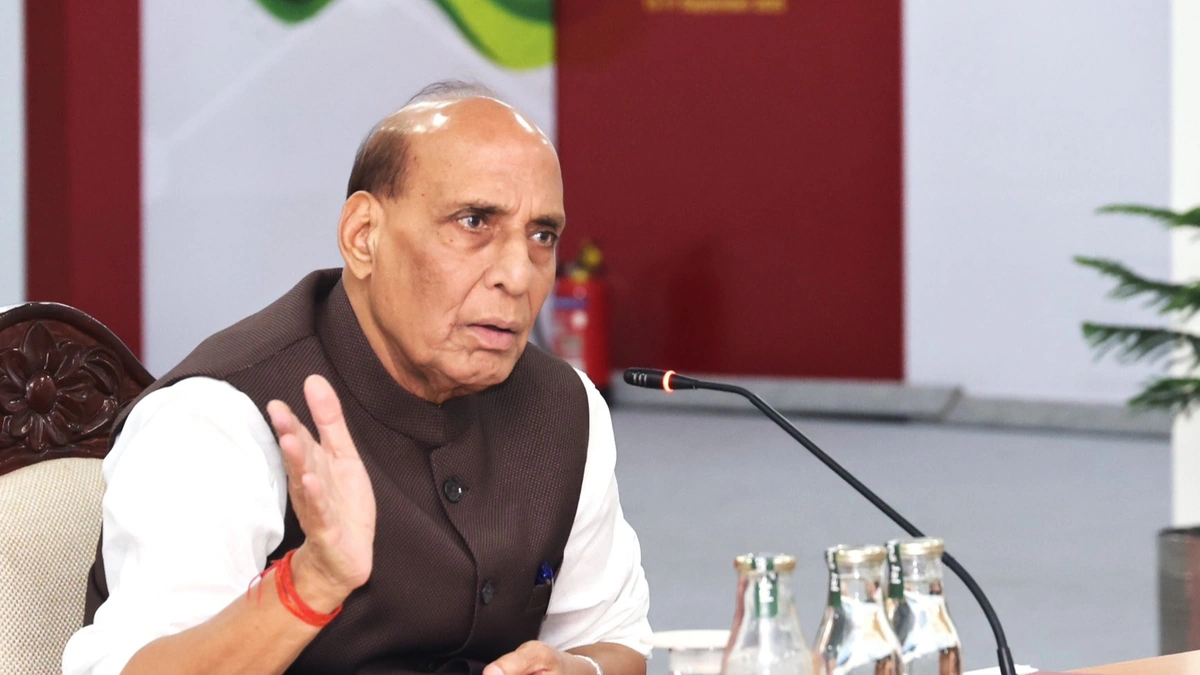
Rajnath Singh’s role isn’t just about signing deals and attending ceremonies (though there’s plenty of that). It’s about navigating a complex web of geopolitical pressures, domestic needs, and long-term strategic goals. What fascinates me is how he balances these often-conflicting demands.
For instance, consider the recent push for indigenization in defence production. It’s not just about saving money (though that’s a factor, obviously). It’s about building strategic autonomy, reducing reliance on foreign powers, and creating jobs right here at home. But, achieving that is easier said than done. It requires a delicate dance between supporting domestic companies, attracting foreign investment, and ensuring that the armed forces get the equipment they need, and that it’s up to par.
And it’s not just about equipment. Defence reforms are crucial. According to various reports, Singh has been instrumental in pushing for greater integration and coordination between the different branches of the armed forces. Think of it like this: it’s like getting different departments in a company to finally work together seamlessly. It’s a game-changer when it comes to efficiency and effectiveness.
The “How” | Navigating a Changing World
India’s defence landscape is changing rapidly. The rise of new technologies like artificial intelligence and cyber warfare is forcing everyone to rethink traditional approaches. Here’s where Singh’s leadership becomes critical. He needs to ensure that India is not just keeping up, but staying ahead of the curve.
How is he doing this? Well, for starters, there’s a significant focus on investing in research and development. The goal is to create a vibrant ecosystem of innovation, where Indian companies and institutions are at the forefront of developing cutting-edge defence technologies. It’s a bold vision, and it requires a lot of investment, both financial and intellectual. It also needs a lot of risk-taking – because let’s face it, not every project is going to succeed. But the potential payoff is huge: a stronger, more secure India.
But the changing world also requires a new approach to international relations. India can’t afford to go it alone. It needs to build strong partnerships with like-minded countries. Singh has been actively engaged in strengthening defence cooperation with key partners around the world, from the United States to France to Russia. It’s about building a network of alliances that can help India address the challenges it faces in a complex and uncertain world. And that is no small feat.
The “Emotional” Angle | Protecting India’s Future
Let’s be real: defence isn’t just about numbers and statistics. It’s about protecting India’s future, its people, and its values. It’s about ensuring that future generations can live in peace and security. And that’s something that resonates with everyone, regardless of their political views.
But, it’s not always easy. One thing I find fascinating is how defence policy is communicated to the public. It’s a delicate balance between being transparent and maintaining confidentiality. On the one hand, people have a right to know what their government is doing in their name. On the other hand, revealing too much information could compromise national security. Singh has consistently emphasized the importance of transparency, but he has also stressed the need to be responsible and cautious.
And speaking of responsibility, it all boils down to the brave men and women in uniform. They are the ones who put their lives on the line every day to protect our country. Defence Minister Rajnath Singh has constantly reiterated the government’s commitment to their welfare, ensuring they have the best possible equipment, training, and support.
LSI Keywords | From Policy to Practicality
Weaving through the intricacies of Rajnath Singh’s role , several keywords emerge. The focus on indigenous defence production , for example, is a key theme. So is military modernization . A related idea is national security strategy , all with an eye on geopolitical challenges and defence acquisitions . It’s about understanding the big picture while focusing on the granular details.
Defence Minister Rajnath Singh | A Recap (of Sorts)
So, there you have it. Defence Minister Rajnath Singh isn’t just a name in the news. He’s a key player in shaping India’s future. He faces numerous challenges, from geopolitical tensions to technological disruptions to budgetary constraints. But he also has a unique opportunity to build a stronger, more secure, and more prosperous India.
It is his ability to balance all of these different factors, while simultaneously communicating his vision to the public that makes him a unique political figure.
FAQ Section
What exactly is “indigenization” in defence?
It basically means making more of our own military equipment instead of buying it from other countries. Think “Made in India” for tanks and planes.
How does military modernization affect the average citizen?
A strong military deters potential aggressors, making the country safer. Plus, it can boost the economy through defence-related jobs.
What are the biggest geopolitical challenges India faces right now?
Border disputes, regional instability, and the rise of new global powers – it’s a complex world out there. India is caught in the middle of so much happening around the globe.
How are defence acquisitions handled in India?
It’s a multi-layered process with checks and balances involving the Defence Acquisition Council (DAC) and other committees to ensure transparency and prevent corruption.
What if I want to learn more about India’s national security strategy?
The best place to start is with official government publications and reputable think-tanks specializing in defence and strategic affairs. Do your research from verified sources to have a more accurate understanding.
The point is this: national security is more than just headlines – it’s an evolving challenge that demands constant analysis and that ultimately relies on the vision and ability of people like defence minister Rajnath Singh .