Annu Kapoor Criticized for ‘Dudhiya Badan’ Remark About Tamannaah Bhatia; Accused of Sexism
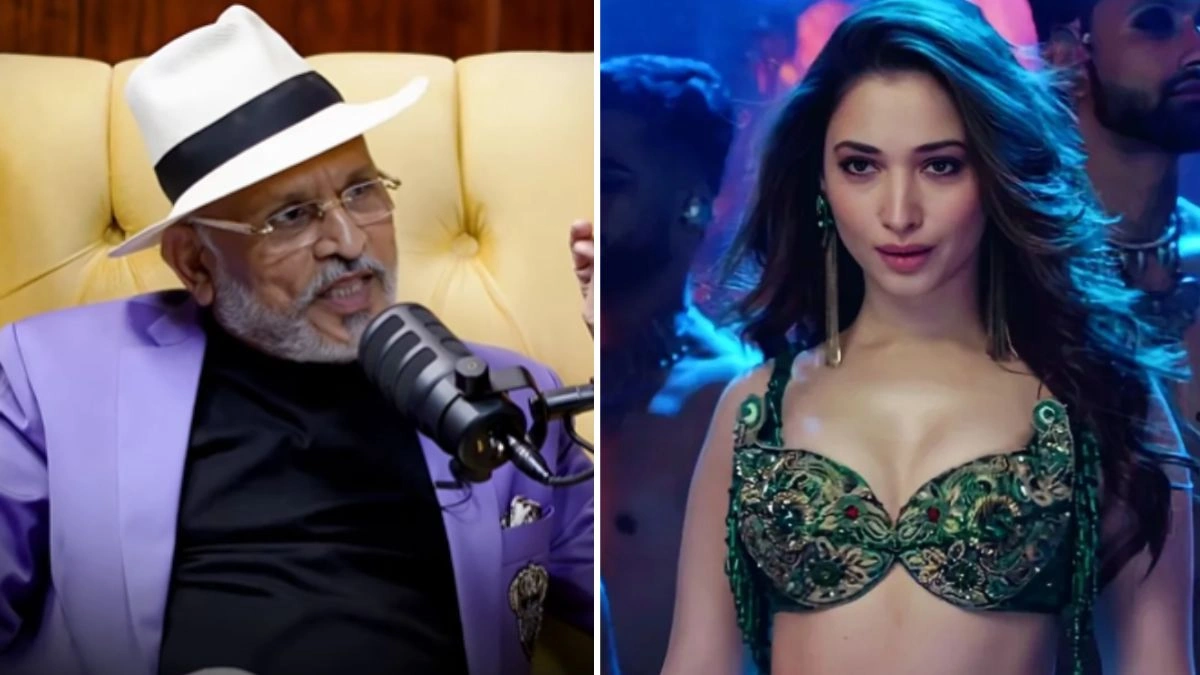
The world of Bollywood is no stranger to controversies, but sometimes, a comment can spark a firestorm that engulfs everyone. Recently, veteran actor Annu Kapoor found himself in the eye of the storm after making a remark about actress Tamannaah Bhatia’s physical appearance, specifically using the phrase ‘ dudhiya badan .’ The remark, which translates to ‘milky white skin,’ was deemed sexist and objectifying by many, leading to widespread criticism and accusations. But, here’s the thing: it’s not just about one comment; it’s about the larger context of how women are perceived and portrayed in the Indian entertainment industry.
Why This Controversy Resonates So Deeply
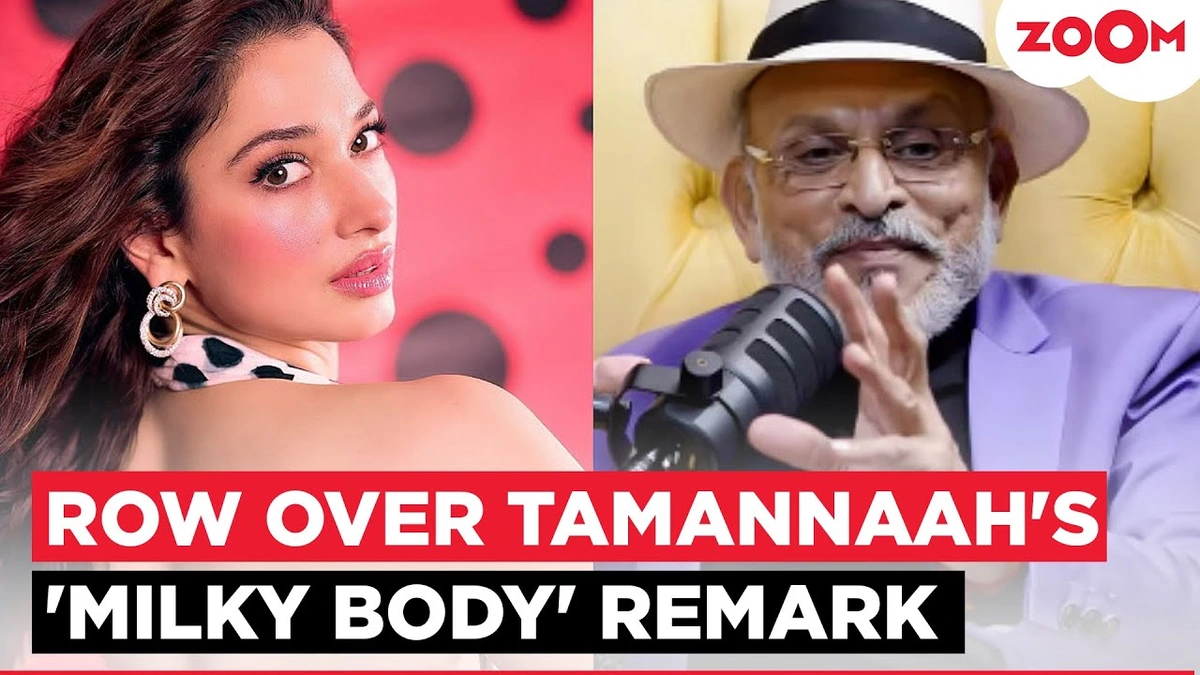
So, why did this particular incident cause such a stir? It’s not the first time a celebrity has made an ill-advised comment, but the reaction this time feels different. Let’s be honest, India has a long and complex relationship with colorism, and the glorification of fair skin is deeply ingrained in our society. This isn’t just about beauty standards; it affects opportunities, self-esteem, and overall societal perceptions. When a public figure like Annu Kapoor uses such language, it reinforces these harmful stereotypes and perpetuates a culture of objectification. The impact on the entertainment industry is significant.
The problem isn’t just the phrase itself; it’s the underlying mindset that equates a woman’s worth with her physical attributes. Think about it: how often do we hear male actors being described in terms of their skin tone or physical appearance? It’s a double standard that needs to be addressed. This incident acts as a stark reminder that we still have a long way to go in terms of gender equality and respect for women in India.
The Societal Impact of Colorism and Sexism
But it’s not just Bollywood; the societal impact of colorism and sexism extends far beyond the entertainment industry. From matrimonial ads to everyday conversations, the obsession with fair skin is pervasive. This creates a hierarchy where individuals with darker skin tones are often marginalized and discriminated against. What fascinates me is that it isn’t even about actual fairness, but about the idea of it. It’s a manufactured ideal, perpetuated by media and cultural norms.
And the sexism? It’s rampant. Women are constantly judged and evaluated based on their physical appearance, regardless of their accomplishments or capabilities. This constant scrutiny creates immense pressure and can have a devastating impact on their mental health and well-being. A common mistake I see people make is thinking these are separate issues – they’re deeply intertwined. Addressing one requires tackling the other. Speaking of mental health, you should also consider that Priyanka Chopra is a mental health advocate .
The Role of Celebrities and Public Figures
Now, let’s talk about the responsibility of celebrities and public figures. They have a significant platform and their words carry weight. When someone like Annu Kapoor makes a statement, it reaches millions of people and can shape public opinion. This is why it’s crucial for them to be mindful of the language they use and the messages they convey. It’s not about political correctness; it’s about basic human decency and respect. The role of celebrities is not just to entertain, but also to be responsible members of society.
I initially thought this was straightforward – a celebrity made a mistake, apologized, and moved on. But then I realized it’s much more complex. It’s about challenging the deeply ingrained biases that exist within our culture. It’s about creating a society where women are valued for their intelligence, talent, and character, not just their physical appearance. According to a study by the National Commission for Women (NCW), there is a significant need for more awareness and education on gender sensitivity in the media. It’s best to stay informed by checking the official portal.
Moving Forward | Towards a More Inclusive Industry
So, how do we move forward from here? The answer isn’t simple, but it starts with awareness and education. We need to challenge the existing norms and stereotypes that perpetuate colorism and sexism. We need to create more opportunities for women in the industry, both in front of and behind the camera. And we need to hold public figures accountable for their words and actions.
One thing you absolutely must do is support content that celebrates diversity and challenges harmful stereotypes. Seek out films, shows, and music that promote positive representations of women and people of color. Demand better from the media and the entertainment industry. We’re not just passive consumers; we have the power to shape the narrative.
Let me rephrase that for clarity: The need for inclusivity in the entertainment industry extends far beyond surface-level representation. It’s about creating a culture where everyone feels valued, respected, and empowered. This requires a fundamental shift in mindset, from the top down. As per the guidelines mentioned in various industry reports, ongoing training and workshops on gender sensitivity and unconscious bias are crucial.
The Importance of Accountability and Dialogue
This entire Annu Kapoor Tamannaah Bhatia controversy highlights the importance of accountability. When someone makes a mistake, it’s crucial to acknowledge it, apologize sincerely, and take steps to learn from it. But accountability isn’t just about individual actions; it’s about creating a culture of transparency and open dialogue. We need to be able to have difficult conversations about sensitive topics without fear of judgment or reprisal.
Here’s the thing: silence is complicity. If we remain silent in the face of injustice, we are perpetuating the problem. We need to speak out against sexism, colorism, and all forms of discrimination, both online and offline. It’s not always easy, but it’s essential if we want to create a more just and equitable society.
FAQ Section
Frequently Asked Questions
Why was Annu Kapoor criticized?
Annu Kapoor was criticized for making a remark about Tamannaah Bhatia’s skin tone, which was deemed sexist and objectifying.
What does ‘dudhiya badan’ mean?
‘Dudhiya badan’ translates to ‘milky white skin’ and is often associated with beauty standards in India.
How does colorism affect Indian society?
Colorism leads to discrimination and marginalization of individuals with darker skin tones, impacting opportunities and self-esteem.
What can be done to promote inclusivity in Bollywood?
Promoting inclusivity involves challenging stereotypes, creating opportunities for women, and holding public figures accountable.
Why is it important for celebrities to be mindful of their words?
Celebrities have a large platform and their words can shape public opinion, so they must be responsible and respectful.
What can individuals do to challenge sexism and colorism?
Individuals can support diverse content, speak out against discrimination, and demand better from the media and entertainment industry. For additional resources on addressing sexism, you can visit Wikipedia’s page on sexism .
Ultimately, the Annu Kapoor Tamannaah Bhatia controversy serves as a valuable lesson. It reminds us that words matter, representation matters, and accountability matters. By challenging harmful stereotypes and promoting inclusivity, we can create a more just and equitable society for all. It’s about fostering a society where talent and character – not skin tone – define success.